Valencia’s Ultimate Flamenco Experience: A Night at La Bulería
Every culture seems to express itself through music and dance. Some forms are highly formalised, like ballet. Others are more raw, more emotional, more instinctive. The Irish have Riverdance. America has folk music and tap dance. Across Europe there are traditional dances with festive costumes tied to regional identity, while throughout Africa and South America dance often becomes something communal, something that binds tribes, families, and cultures together through rhythm and movement.

But in Spain, one art form stands above all others as its defining cultural expression: flamenco.
And in Valencia, there is no better place to experience it than La Bulería.
What is La Bulería and where to find it
The name itself carries meaning. “Bulería” refers to one of flamenco’s fastest and most expressive forms, a style rooted in improvisation, rhythm, intensity, and emotional release. The dance itself traces its origins to Andalusia, shaped over centuries by Romani, Moorish, Jewish, and Spanish influences. You hear echoes of this history in the music. If you have spent time in the Middle East, there are moments in the vocals that recall the call to prayer, long soaring notes that rise and stretch to the edge of collapse before pulling back again. It is impossible not to hear the cultural intersections that helped shape flamenco into what it became.
La Bulería is not located in Valencia’s tourist centre. You leave the Old Town behind and travel about fifteen minutes into a residential neighbourhood. From the outside, it appears almost understated, an ordinary building with apartments above it, giving little indication of what waits inside.
But once you step through the doors, the atmosphere changes completely.
The venue: intimate, shadowed, and cinematic
The room is dark, almost entirely black. The walls are black. The fittings are black. The lighting is low and dramatic, enough to guide you through the room while still allowing the space itself to disappear into shadow. Old photographs, paintings, and sketches line the walls, portraits of legendary flamenco performers from generations past. International visitors may not recognise their faces, but within Spanish culture these figures carry the same stature as icons like Pavarotti or the great stars of opera and classical music.

The room itself is not enormous, perhaps seating seventy or eighty people, but flamenco is not an art form meant to be viewed from a distance. The closer you are to the stage, the more overwhelming the experience becomes. You do not simply hear the music, you feel it physically. You hear every heel strike, every clap, every sharp intake of breath. You see sweat fly from the brow of the male dancer as he spins and twists through movements delivered with astonishing force and precision.
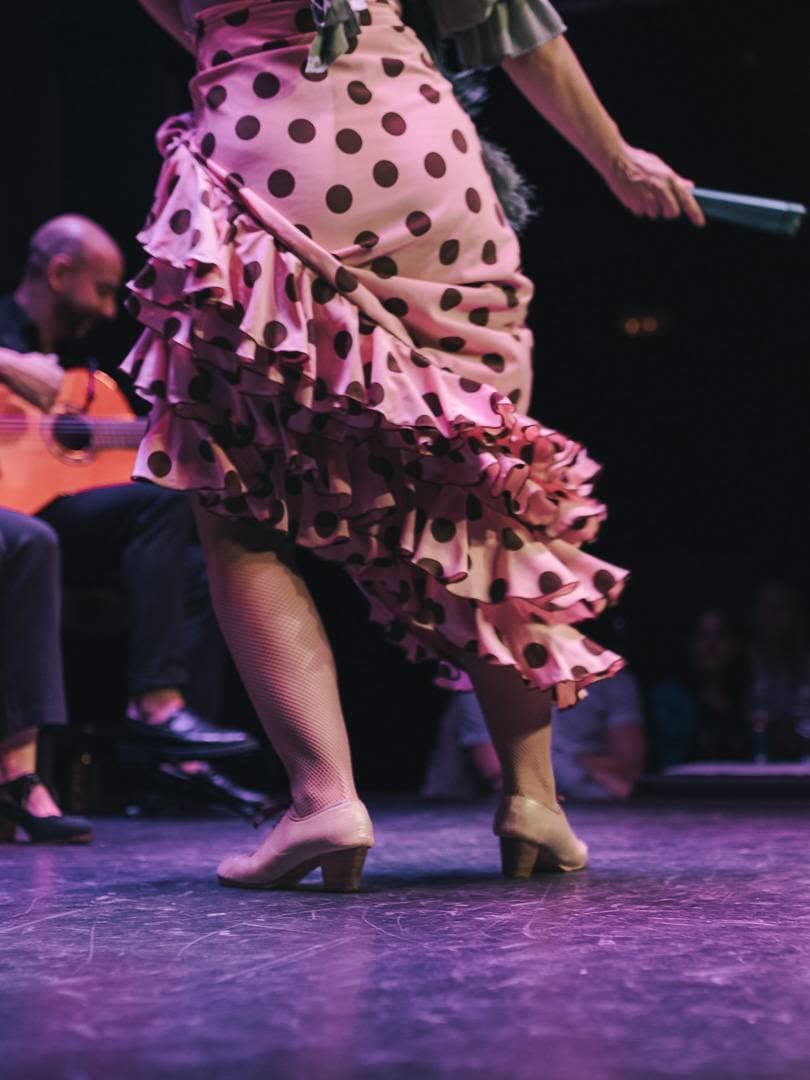
The performers: singers, guitar, and dancers up close
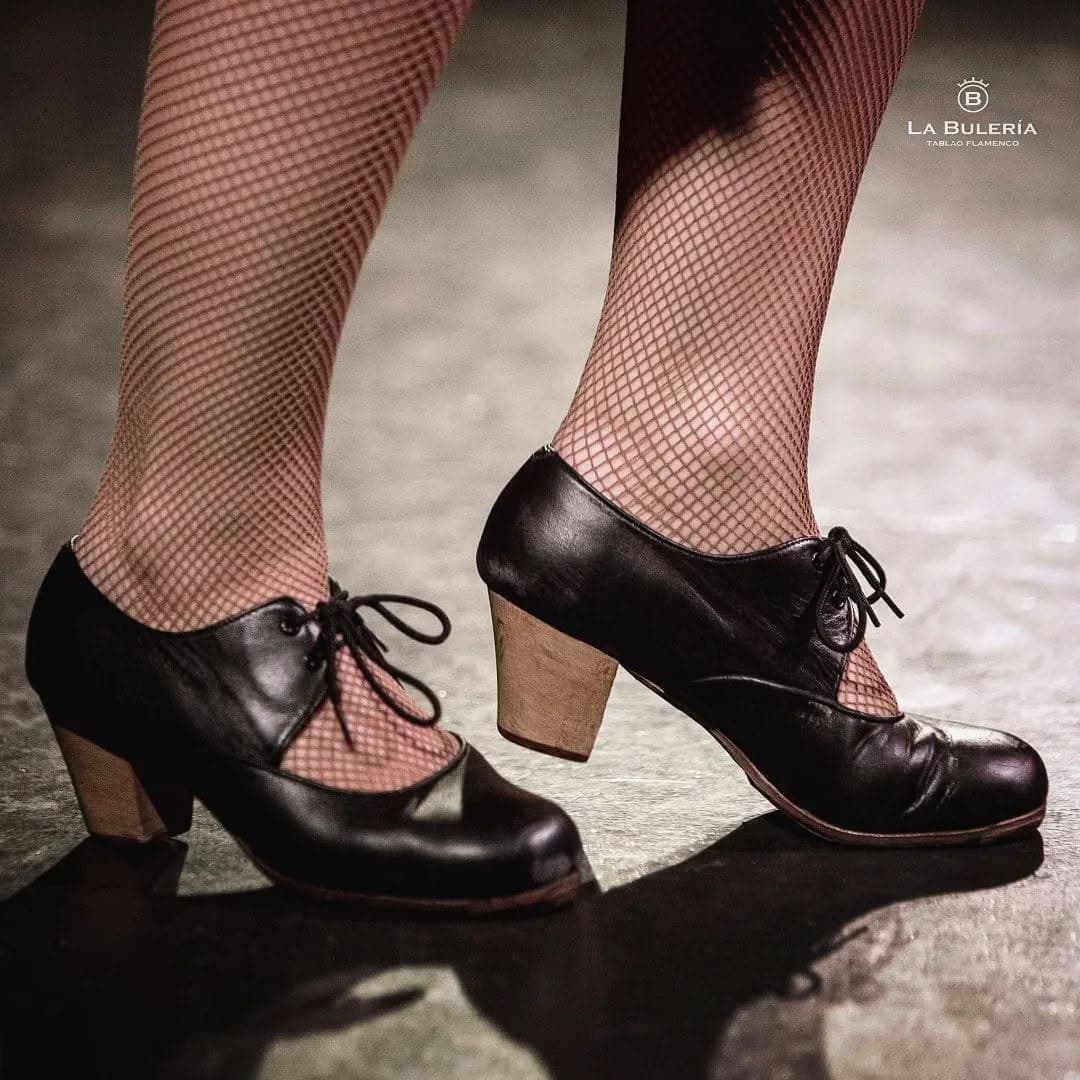
There are no elaborate effects, no orchestra, no wall of instruments. The percussion comes from feet striking wood and hands clapping in perfect rhythm. The reverberation moves through the entire room and into your body. It is intensely physical music.
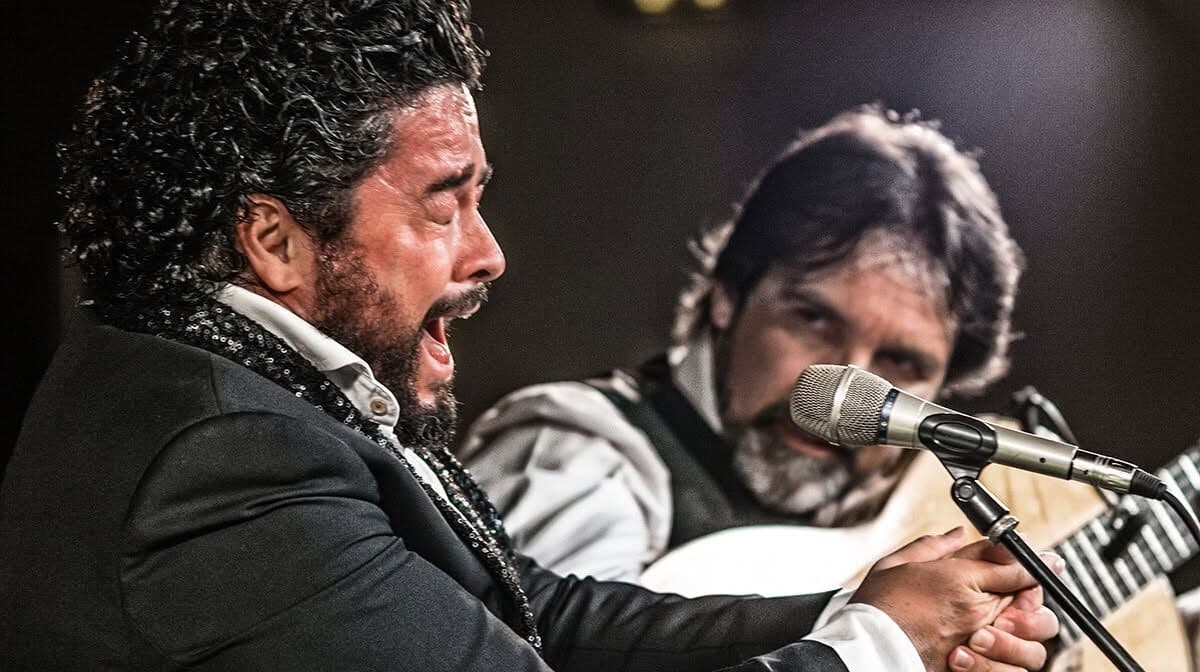
The singers command the room completely. One is a large, burly man whose voice carries immense authority and power. He lifts his head high and delivers impossible notes that seem to stretch far beyond the limits of the human voice. Beside him is a second vocalist, while a guitarist accompanies them with extraordinary skill, instinctively following every movement and emotional shift. The guitar is not there to dominate the performance but to support it, to weave through the singing and dancing with precision and grace.

Then the dancers emerge.
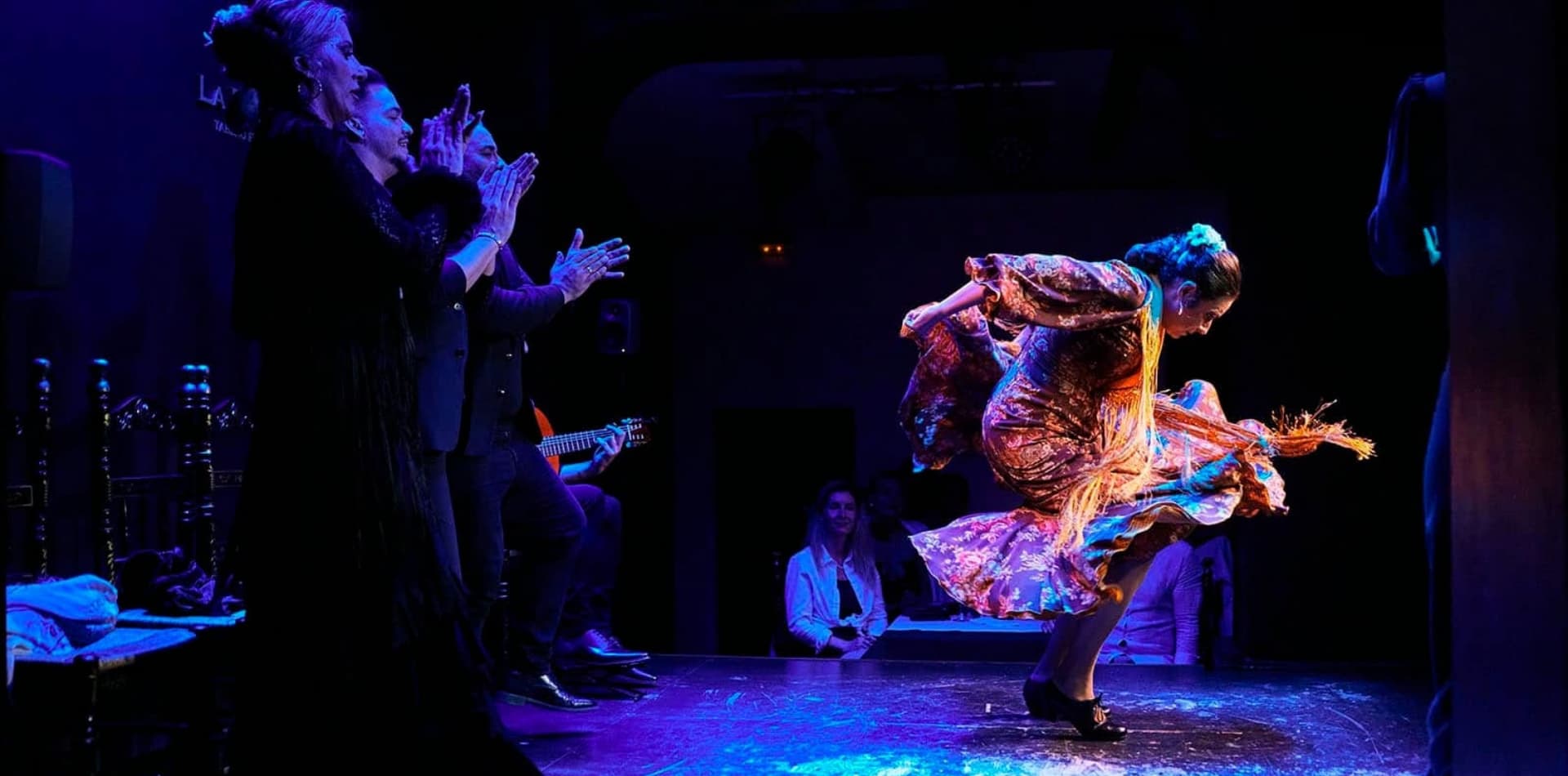
There are three performers, two women and one man, all extraordinarily talented. The women wear beautiful fitted dresses with flowing ruffles and long trains that become part of the choreography itself. Shawls swirl through the air, dresses are kicked and swept across the floor, and every movement carries force, control, and intention. What stands out is not only the technical brilliance, but the pride and confidence projected through posture and gesture. One dancer comes to the edge of the stage, shoulders back, chin raised, twisting her hands and arms with such authority and intensity that the audience falls completely under her spell.
The second female performer dances with a long trailing dress and shawl that seem almost impossible to control, yet she manipulates them effortlessly, transforming costume into movement and movement into visual theatre. It becomes more than dance. It becomes an expression of creativity, discipline, intensity, and beauty.
Then comes the male performer.
He enters with the swagger and pride of a matador, shoulders back, head high, staring directly into the audience with an expression that seems to say, “You are about to witness something extraordinary.” And then he delivers exactly that. His dancing is ferocious. His movements are explosive, sharp, impossibly fast. The percussive footwork becomes so rapid and forceful that it almost defies comprehension. Sitting close to the stage, you find yourself watching in disbelief, wondering how the human body is capable of moving with such speed, precision, and intensity.
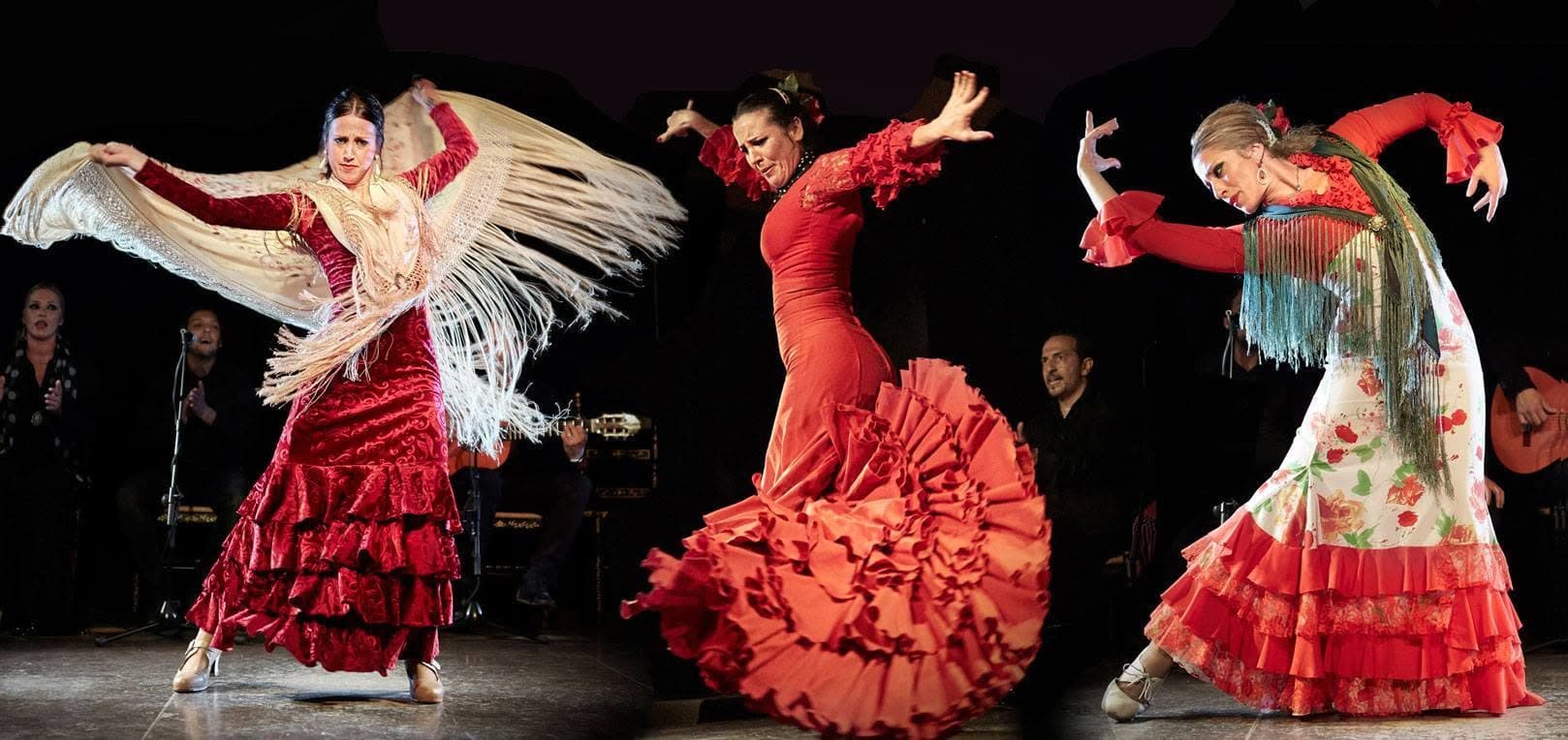
The show: moments that stop the room
What makes flamenco so compelling is that it exists somewhere between dance, theatre, music, and emotional confrontation. It is as moving and culturally significant as opera, orchestral performance, or any other major artistic expression in the world. Whether it is tribal dance in Africa, classical opera by Puccini, or grand symphonic performance, flamenco belongs in that same conversation as one of the great cultural art forms.

And at La Bulería, you experience it at close range.
The audience is largely international, visitors from around the world gathering to witness something deeply tied to Spanish identity and history. Yet despite the popularity of the venue, the experience never feels artificial or manufactured. The service staff are polished and accustomed to international guests, making sure everyone feels comfortable throughout the evening.
VIP dinner: menu, drinks, and why it’s worth it

The experience is not simply about the performance itself. It is worth booking the VIP dinner experience and making an evening of it. Unlimited Rioja wine, beer, and drinks accompany a degustation style menu featuring Iberian ham, appetizers, cod, beef cheek, and dessert. The food is genuinely very good and complements the performance rather than distracting from it.

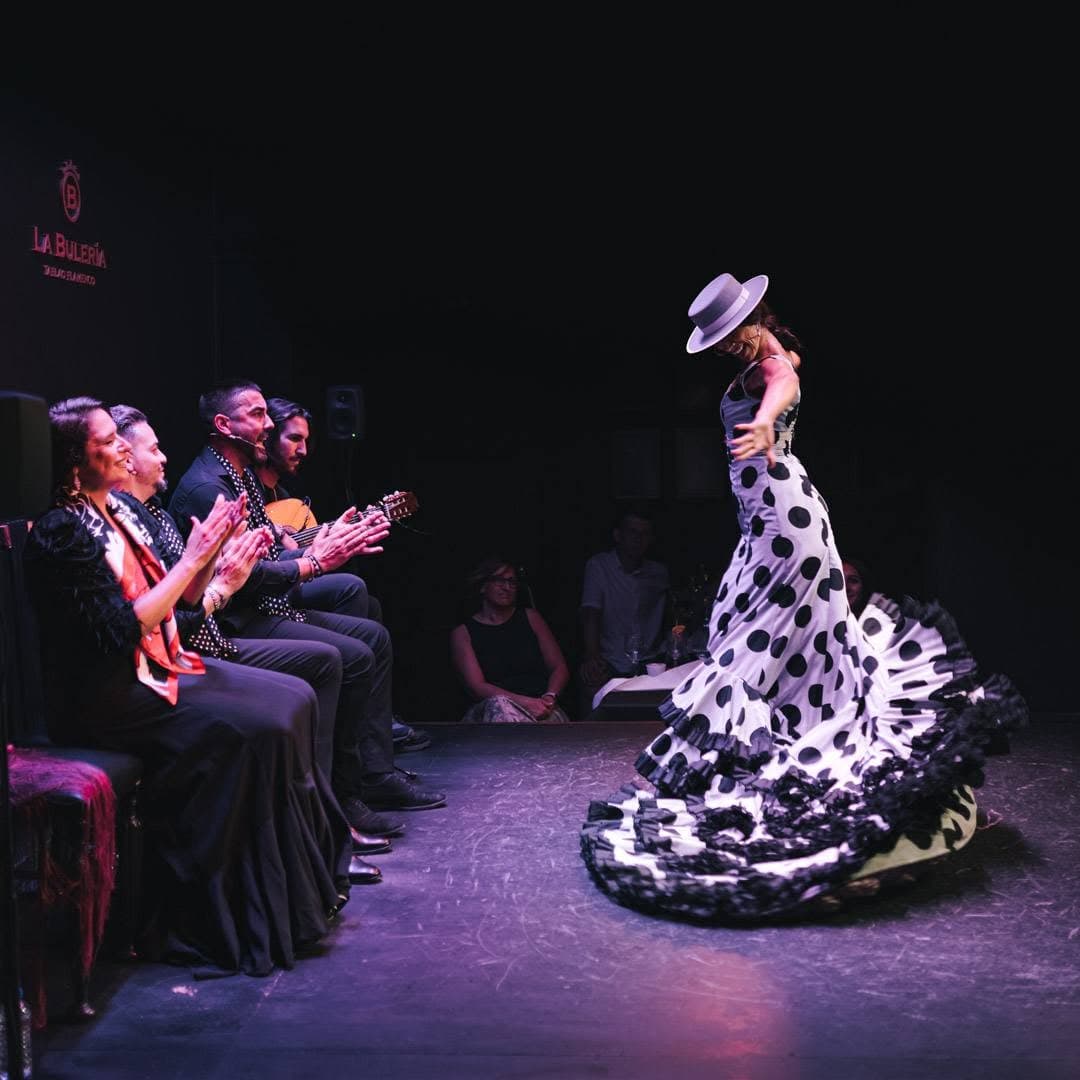
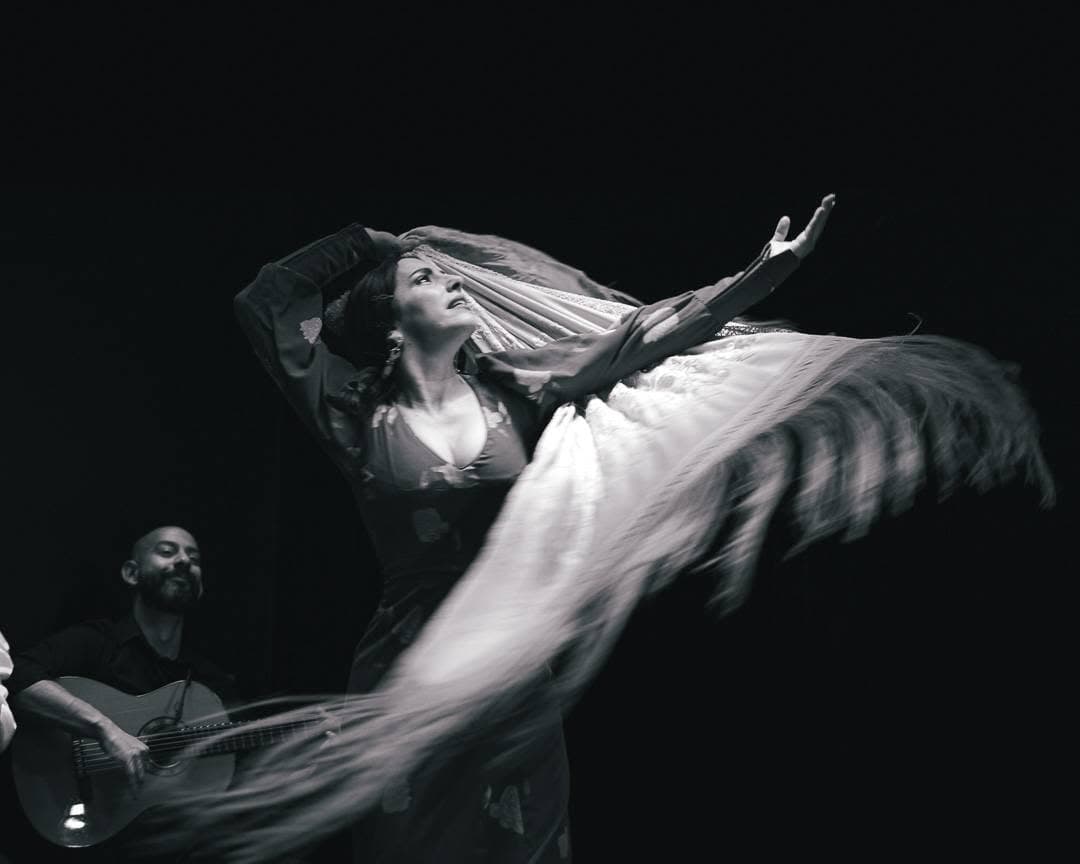
La Bulería is not a cabaret and it is not simply dinner theatre. It is an encounter with one of Spain’s defining cultural traditions presented with intensity, authenticity, and pride.

When in Valencia, this is not something to skip. It is essential.
Glenn Harris
Glenn Harris is an accomplished journalist focusing on luxury travel, fine dining, and exclusive lifestyle events. His wanderlust has taken him to over 128 countries where he constantly strays off the beaten path to uncover exotic locations, travel gems and exciting experiences to capture.
Read More
Salon Privé 2026 at Blenheim Palace: Inside Britain’s Luxury Automotive Garden Party

La Belle Epoque: European Waterways’ Luxury Burgundy Barge Cruise
Great Rail Journeys and Amadeus Rhine River Cruise: Exploring the Rhine by Rail and River