COMO Cordeillan-Bages, Pauillac: Bordeaux’s Médoc Retreat Reborn
Bordeaux. The name itself carries an immediate sense of refinement, shaped by great wines and a deeply ingrained French art of living. The Médoc, with its winding rivers, sunlit vineyards and historic châteaux, unfolds as a landscape where observation and experience naturally converge. Near the town of Pauillac stands what is now COMO Cordeillan-Bages, an estate that offers access to the region's most meaningful pleasures without excess or performance. Wine is present not as ornament but as a thread that connects culture, history and the quieter subtleties of French life.
An Estate Shaped by the Cazes Family Vision
The estate belongs to the Cazes family, whose influence on Bordeaux wine culture extends back more than half a century. Jean Michel Cazes believed that wine deserved context: that visitors should not simply taste but understand, walk the land, sit at the table and remain long enough for place to take hold. His ambition was to create an art of living rooted in authenticity, combining thoughtful accommodation, serious cuisine, contemporary art and direct access to the vineyards themselves.

What began as a progressive idea has held up well. The estate reopened on 1 May 2026 as COMO Cordeillan-Bages, now managed by COMO Hotels and Resorts, while the vineyards and the wider Lynch-Bages portfolio remain firmly in Cazes family hands.
I still think the reason people come back is the same one that drew me originally: not the wine alone, but for the atmosphere of considered hospitality that has grown around them.
Architecture and Living Art at Cordeillan-Bages
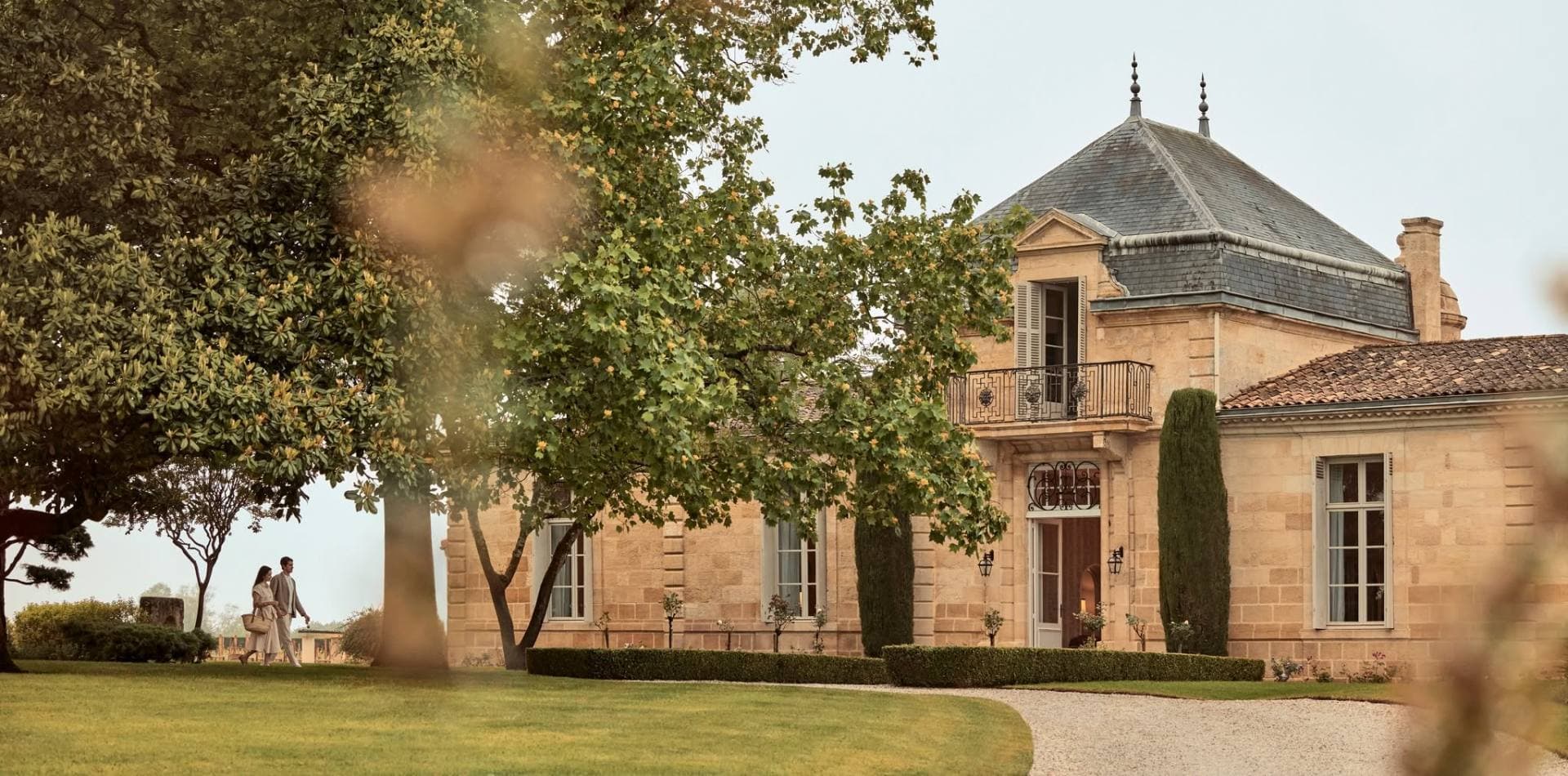
COMO Cordeillan-Bages occupies a nineteenth-century house, with elements dating back to the seventeenth century, carefully reimagined as a country estate of twenty-eight rooms in 1989. The architecture remains faithful to regional tradition, with pale limestone walls, dark slate roofs and proportions that sit comfortably within the surrounding vineyards.
Visitors should not simply taste but understand, walk the land, sit at the table and remain long enough for place to take hold. Inside, antiques and period furnishings coexist with contemporary works by artists such as Tan Swie Hian, Pierre Alechinsky, Antoni Tàpies, Gérard Titus-Carmel and Emilio Perez. Art appears as part of daily life rather than display, encouraging reflection and conversation rather than reverence.
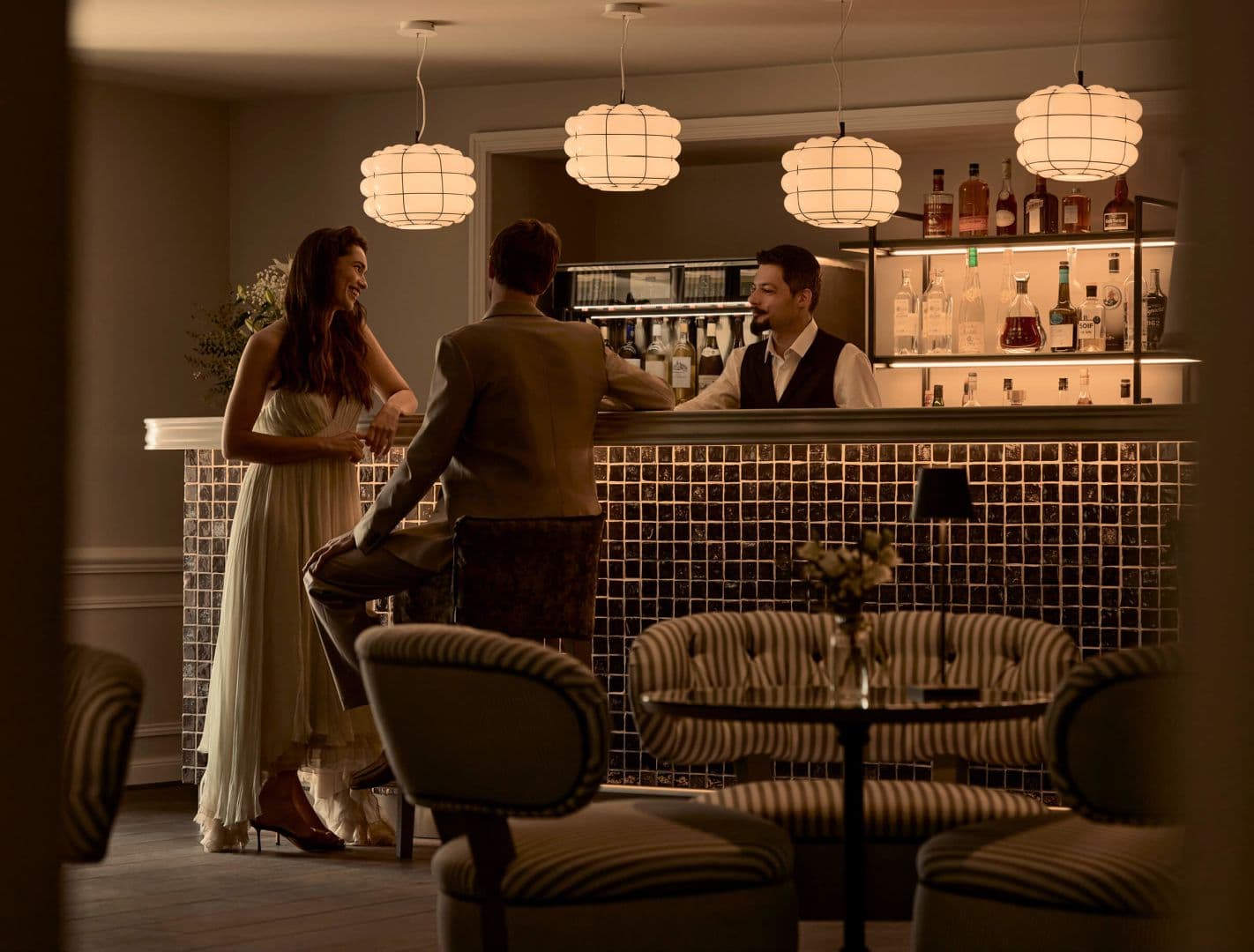
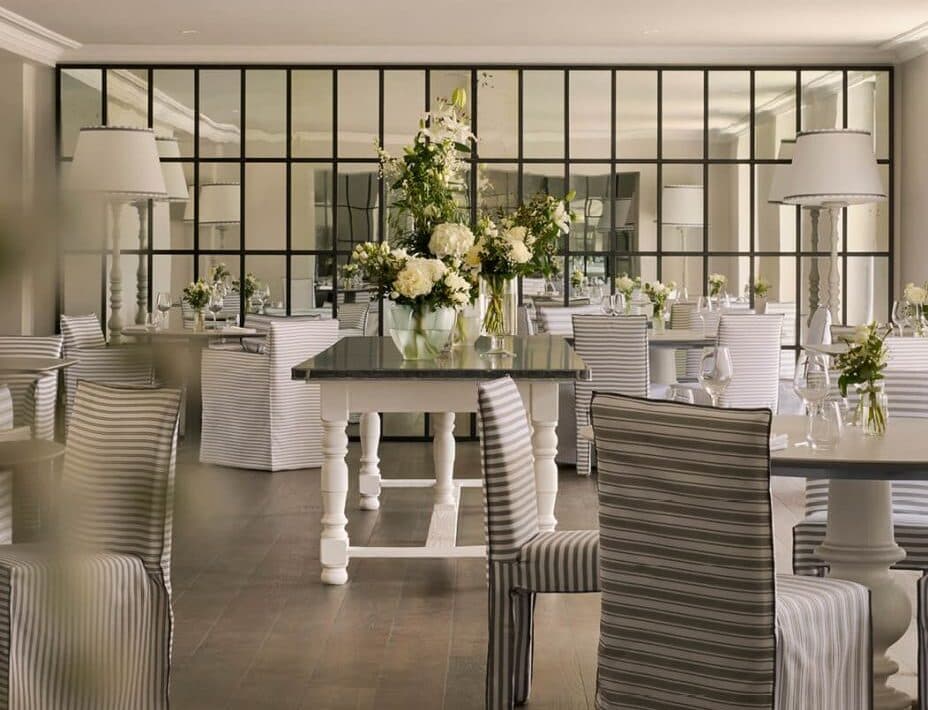
The interiors, originally designed by Paola Navone, have since been refreshed under COMO, though from what I can tell the instinct hasn't changed: nothing is overdone, and the rooms still feel like they were arranged by someone who actually lives with the pieces rather than someone styling for a shoot.
Lynch Bages and the Vineyard Legacy
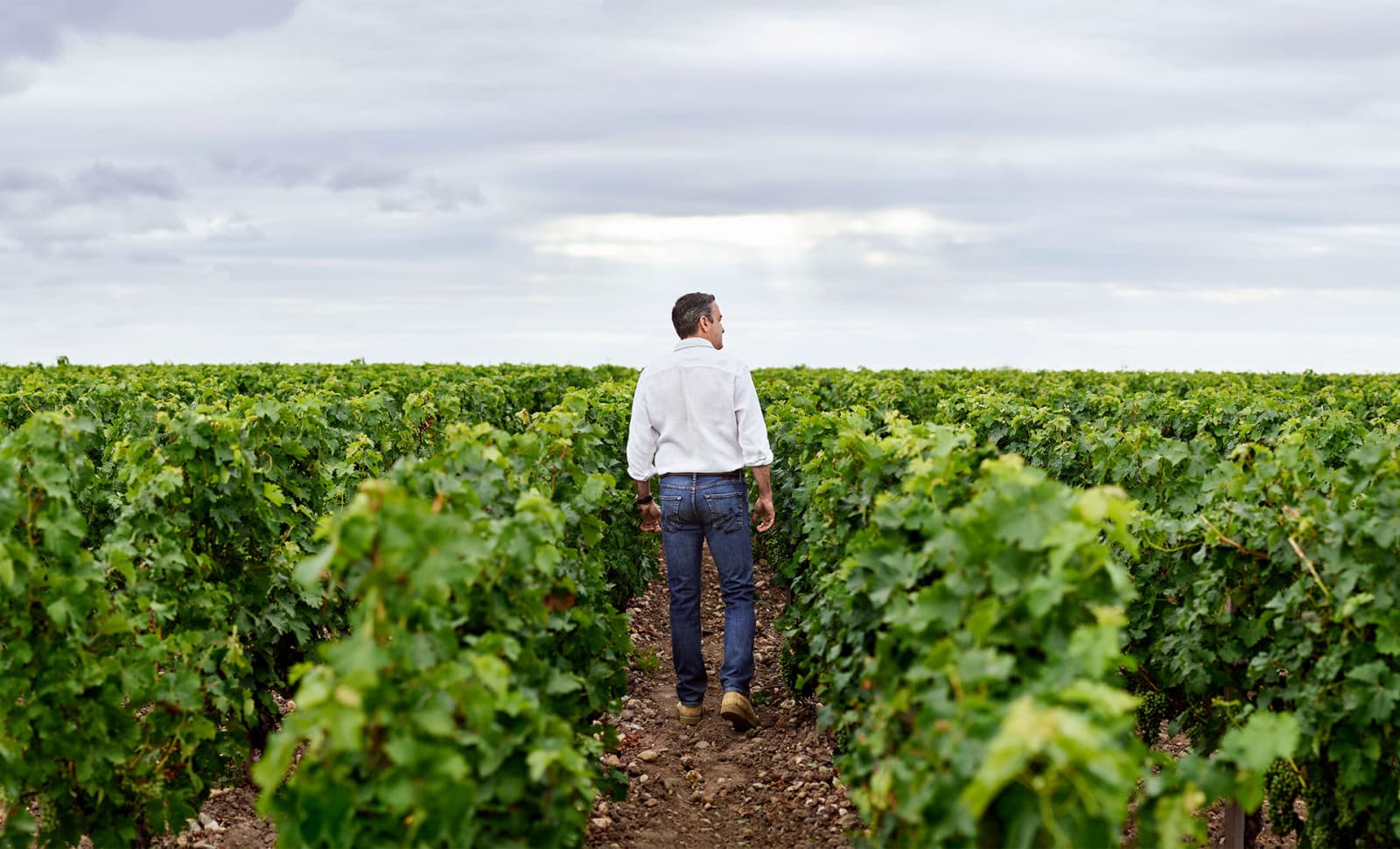
Any stay here inevitably draws the eye uphill towards Lynch Bages, one of Pauillac's most respected estates. Cultivated for more than four centuries, its vineyards crown the gravel rise at the entrance to the village of Bages. Classified as a Fifth Growth in 1855, Lynch Bages earned its reputation through wines of structure and balance, bottles that reward patience and thoughtful cellaring.

When the Cazes family acquired the estate in 1939, they committed to stewardship rather than transformation. Cabernet Sauvignon dominates the vineyards, supported by Merlot and other Bordeaux varieties, thriving in deep gravel soils and moderated by the Gironde estuary. In the cellars, cool stone walls and long rows of oak barrels hold decades of vintages, the air carrying the combined scent of wood, earth and fermenting fruit.
From Château to COMO: A New Era for Cordeillan-Bages
It makes sense that COMO ended up here. COMO Cordeillan-Bages reopened on 1 May 2026, becoming the group's second wine-focused address in France after COMO Le Montrachet in Burgundy, and it remains a member of Relais & Châteaux. The room count is still 28, now including two signature COMO Suites, and none of it reads as a rebuild so much as a handover: the bones of what Jean Michel Cazes set out to build are still very much intact.
The kitchen has changed hands and is now known as Le Cordeillan, is guided by Chef-Consultant Fabien Ferré, the youngest chef ever awarded three Michelin stars in France without previously having held a star, earned in 2024 for La Table du Castellet in Provence. He designs the menu and sets the direction alongside Executive Chef Mathieu Martin, working what COMO calls a bistronomique approach: simpler, more precise dishes built around sea and vine rather than spectacle.
Life and Rhythms Around the Village of Bages
A stay at COMO Cordeillan-Bages unfolds as an immersion rather than an escape, where architecture, gardens, cuisine, art and vineyards work in concert to reinforce a sense of place that feels considered and sincere. Life here unfolds without urgency. Mornings may begin with a walk through the vineyards as mist lifts slowly from the rows, or with coffee in the village of Bages itself.
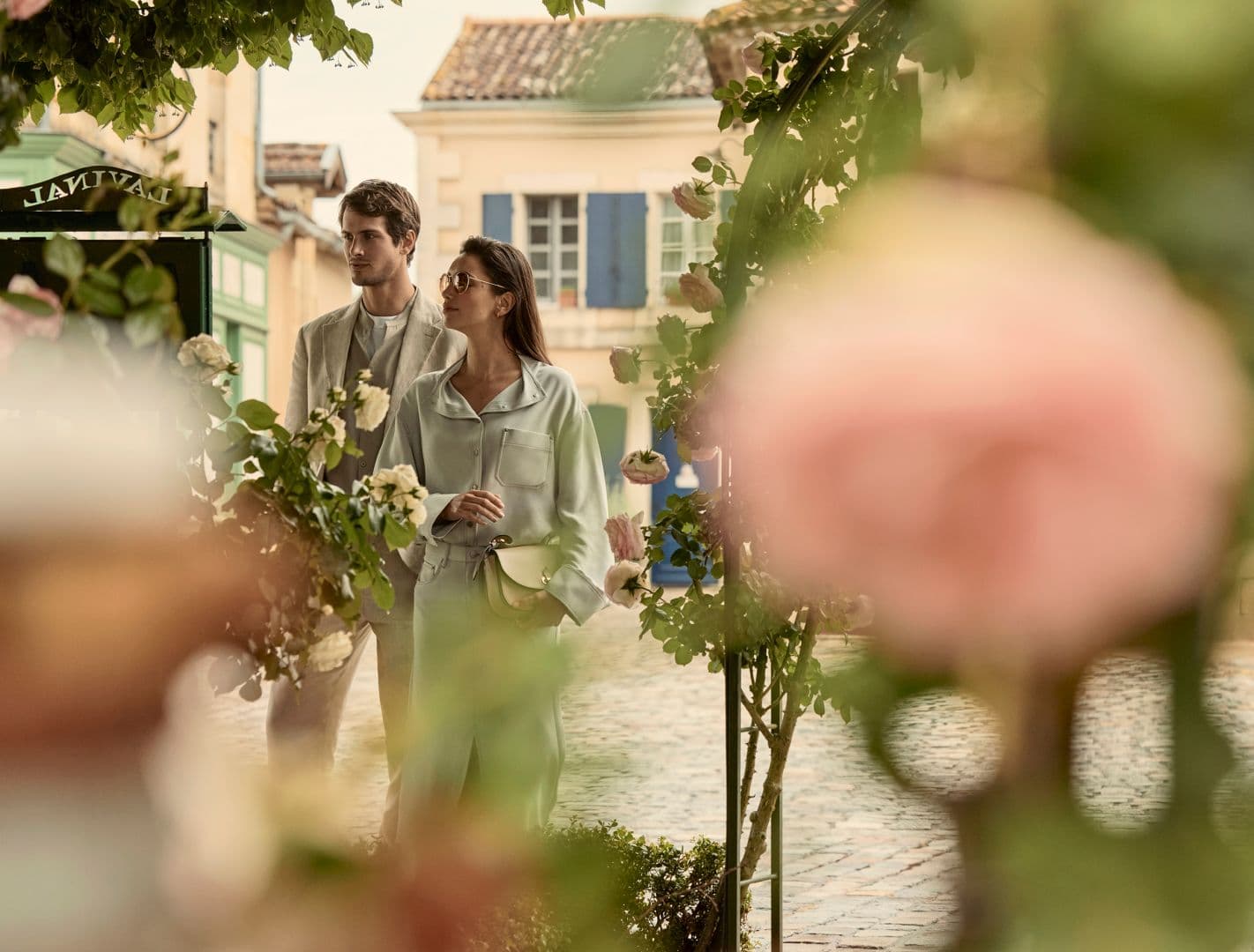
Café Lavinal anchors the square, while the Bages Bazaar offers regional crafts and provisions, and the village butcher presents Médoc specialities with confidence. Bicycles invite further exploration, tracing narrow roads between vines and stone buildings, each turn offering a new perspective on the land.
Gardens and Interior Atmosphere
The exterior of the château reflects restraint shaped by care. Formal gardens give way to working vineyards, hedges trimmed with precision but never severity. Lavender and verbena release their scent as the day warms, while stone pathways absorb heat underfoot. Pines filter the light and slate roofs catch the sun in muted flashes. The grounds feel purposeful, shaped by both aesthetics and agriculture, every element aligned with the realities of the place.

Inside, the atmosphere shifts subtly. Interiors are layered rather than uniform, combining rich woods, leather seating, bespoke furnishings and textiles that invite touch.
The artworks are positioned as part of the interior landscape, encountered casually as one moves through the rooms. The library, lined with volumes on viticulture, art and French history, offers a place to linger as daylight fades.
The Varietal Suites of COMO Cordeillan-Bages
Guest rooms are named for grape varieties and vineyard parcels, reinforcing the connection to the land. Each carries its own character while maintaining continuity in comfort. Italian king-size beds anchor the space, fabrics are chosen for softness and longevity, and art appears with restraint. Large windows and terraces open onto gardens or vines, drawing the exterior inward.

Two signature COMO Suites extend the experience further, with generous living areas, private dining spaces and discreet entertainment systems. Patios and terraces provide elevated views across the estate, balancing historical detail with contemporary ease.
Culinary Precision and Wine Immersion at Le Cordeillan
Dining is still where the estate does its best work, now under Fabien Ferré at Le Cordeillan. His cooking draws from the surrounding region with clarity and respect, leaning on the Atlantic coastline and Arcachon Bay as much as the vineyards themselves. Aquitaine caviar, oysters from the Bay of Arcachon, white asparagus and strawberries from Saint Laurent Médoc appear in dishes that favour precision over excess, with Executive Chef Mathieu Martin running the kitchen day to day. Wines from the Cazes estates and across the Médoc accompany each course, drawn from a cellar of more than 1,600 bottles. Meals unfold at a considered pace, which I mean as a compliment: nobody is rushing you towards the next course.

For those drawn deeper into wine, experiences extend into the cellars and tasting rooms. Vertical tastings illuminate variation across years, while VINIV offers a personalised barrel connection.
A Cultural Anchor in the Heart of the Médoc
Guests depart not with a checklist completed but with a deeper understanding of the Médoc, its traditions and the care that sustains them. What stays with me is the relationship between château, village and vineyard: none of them works as a stand-alone attraction, but together they add up to something worth the trip, and that was true before COMO and it's true now.

The enduring appeal of COMO Cordeillan-Bages lies in its ability to translate the complex heritage of Pauillac into a lived experience that is both accessible and profound. By removing the barriers between the guest and the vineyard, first the Cazes family and now COMO have created more than a hotel: a cultural anchor in the heart of the Médoc. It is a place where the passage of time is measured not by hours but by the slow maturation of the vines and the shared stories told over a well-poured glass, ensuring that every departure carries the weight of a meaningful connection to the land.
Glenn Harris
Glenn Harris is an accomplished journalist focusing on luxury travel, fine dining, and exclusive lifestyle events. His wanderlust has taken him to over 128 countries where he constantly strays off the beaten path to uncover exotic locations, travel gems and exciting experiences to capture.