Kula Ora, Uganda: A Luxury Safari Lodge on the Nile
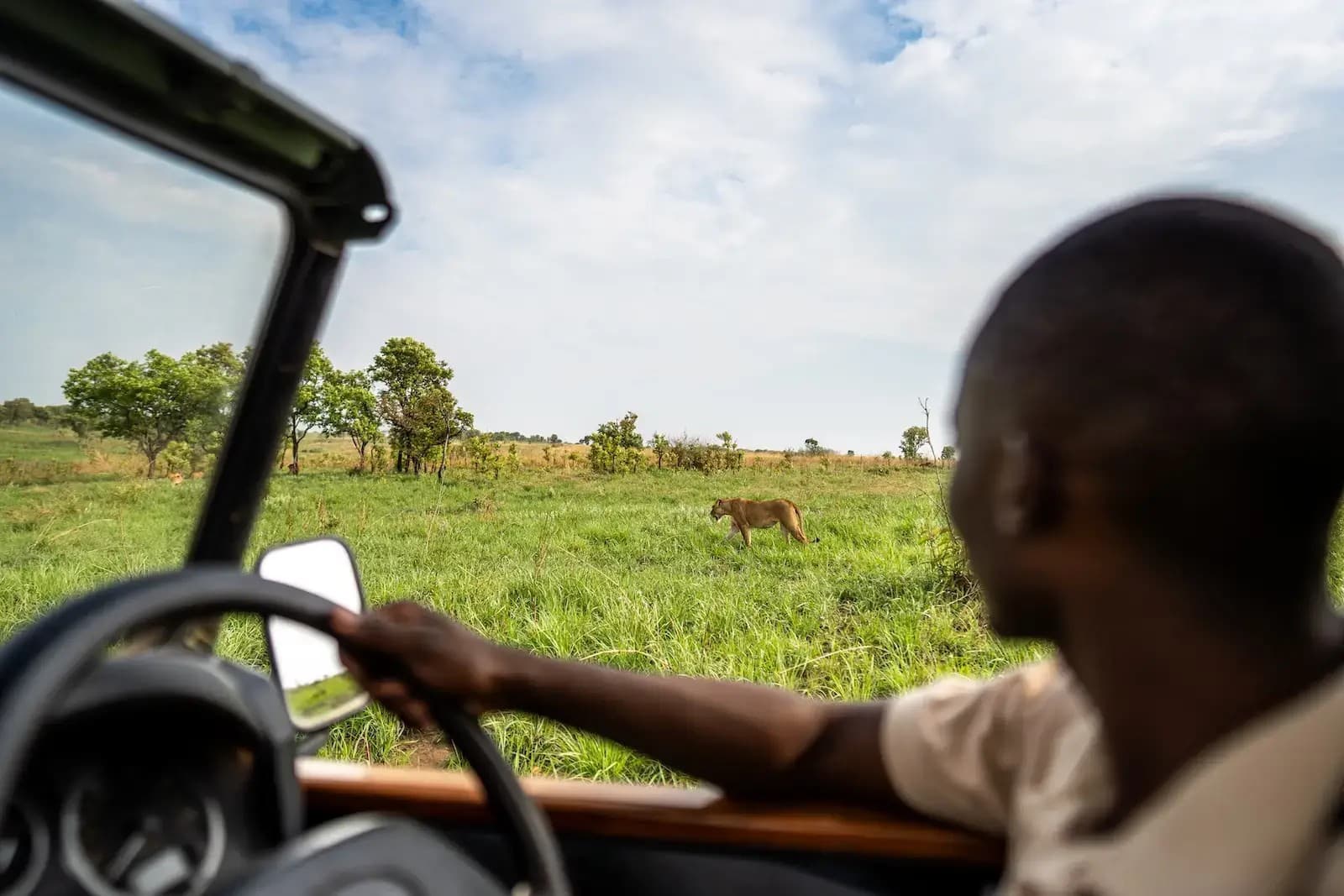
The lions came into sight just before sunset. We’d been driving across the open plains of Murchison Falls National Park for some time, when our guide suddenly spotted something ahead. A small pride of lions was stretched out across the plain, barely distinguishable from the tawny grass at first. As we stopped, one lion lifted its head and looked towards the vehicle. The light was beginning to fade, so for a few moments, we simply watched them. There was no other vehicle in sight. It was a fitting introduction to this little-visited part of Uganda, a place with the wildlife, but without the crowds.
Kula Ora, the new lodge from WildPlaces, sits beside the Nile River on the Kisangani Plains, within a section of Murchison Falls National Park that has been designated for low-impact tourism. The idea is straightforward: bring a limited number of visitors into an area that has had little to no tourism before, while using the resulting revenue and presence on the ground, to support its protection.
A Different Side of Uganda
Uganda is traditionally known best for its gorillas and chimpanzees, rather than for traditional safaris. Yet Murchison Falls National Park offers a very different experience, with open grasslands, woodland, wetlands and the Nile supporting a wide range of wildlife.

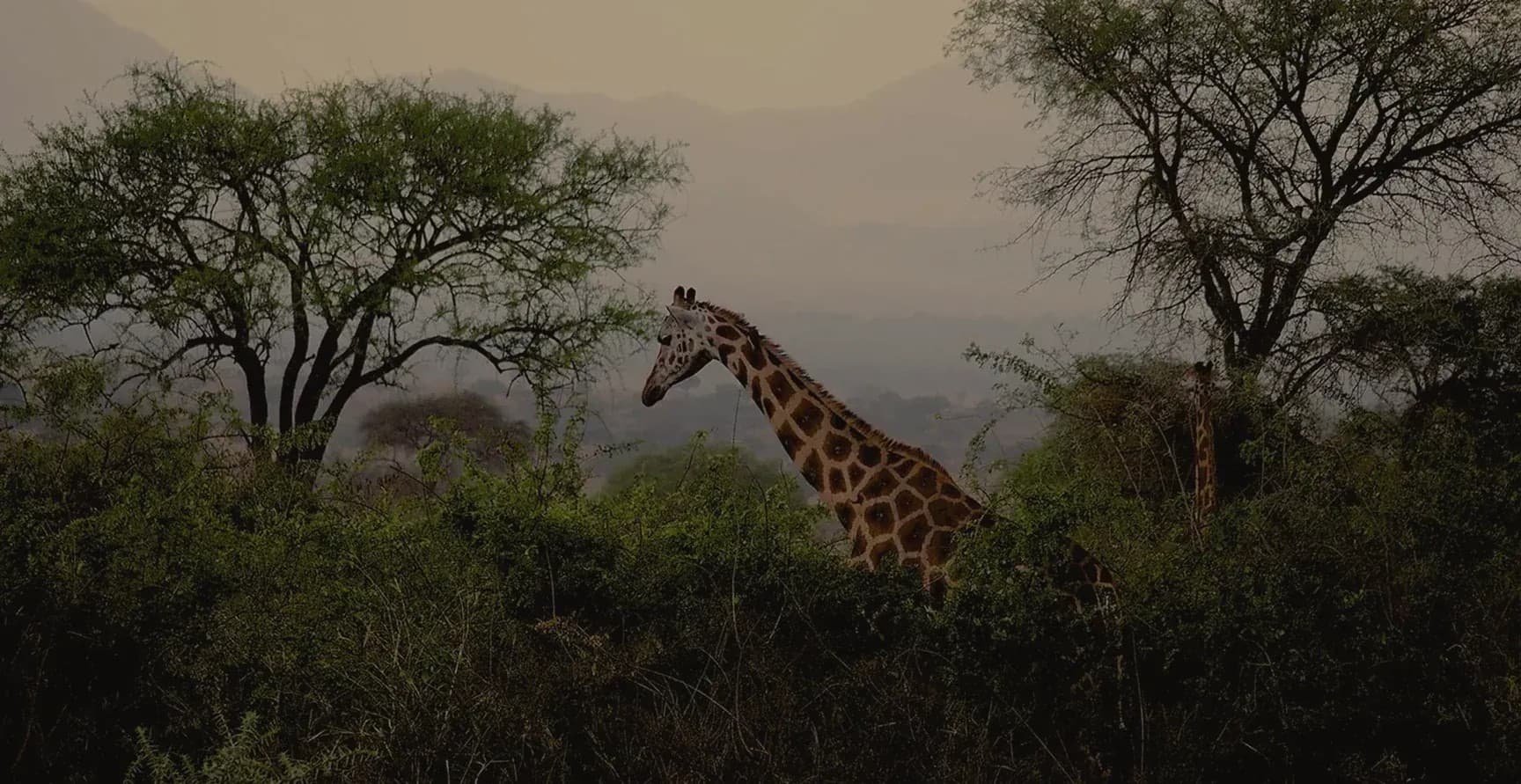
At around 3,893 square kilometres, Murchison Falls National Park is Uganda's largest protected area. Elephants, buffalo, lions, Ugandan kob, hartebeest, waterbuck and bushbuck are among the species most commonly found here, while the river provides habitat for hippos and crocodiles and attracts an impressive variety of birds. The park also holds the world’s largest population of rare, light coloured Rothschild's Giraffes.
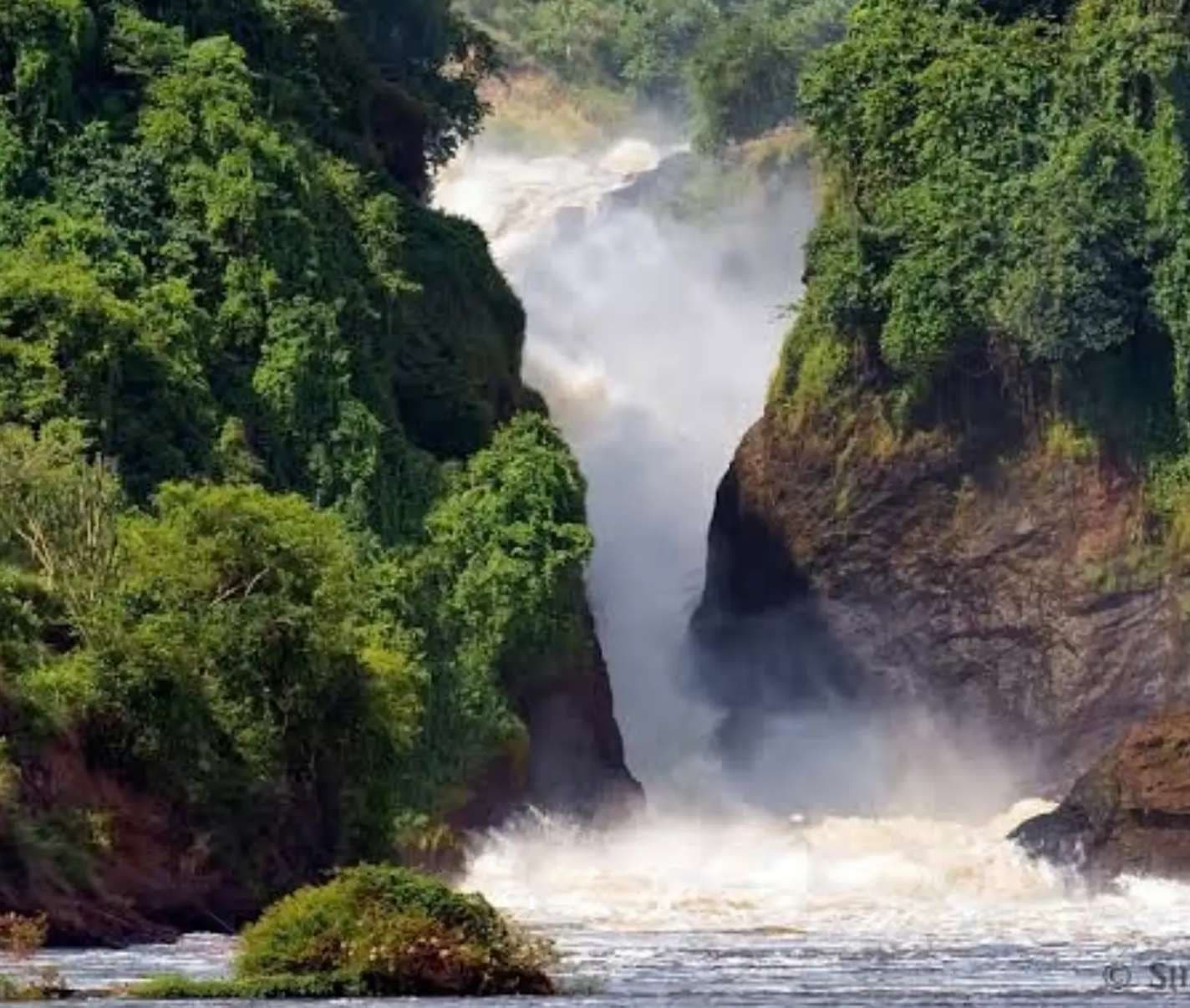
The park's name comes from its most famous landmark. At Murchison Falls, the Nile River squeezes through a narrow gap only 7 or 8 meters wide, before plunging 43m into the "Devil's Cauldron" below. The drop creates a thunderous roar, a permanent rainbow, and mist that makes the ground tremble. While the waterfall may be the park's best known attraction, the wider landscape is what makes a stay here really worthwhile. Kula Ora is aimed at those travellers who want to see that wider landscape, from somewhere luxurious and remote.

Into the Heart of Murchison
Kula Ora is located on the Kisangani Plains, within an area known as the Heart of Murchison. Covering roughly 40,000 hectares, it’s recently been designated a low-use conservation area. Visitor numbers are intentionally limited and development is tightly controlled. For a safari guest, that difference is most noticeable on game drives. There are few vehicles operating here, and it is entirely possible to spend several hours exploring, without encountering another one.

The wildlife is varied. Lions hunt across the grasslands, while Uganda kob congregate in the open areas. Buffalo and elephants move between the woodland and plains, with smaller antelope including oribi and bushbuck also present. Birdlife is another strength of the area.

There are also walking safaris, birding, fishing, and night drives, as well as boat trips on the Nile. A visit to Murchison Falls provides the more dramatic side of the river, but much of the appeal of staying here is simply having time to explore the quieter sections of the park.
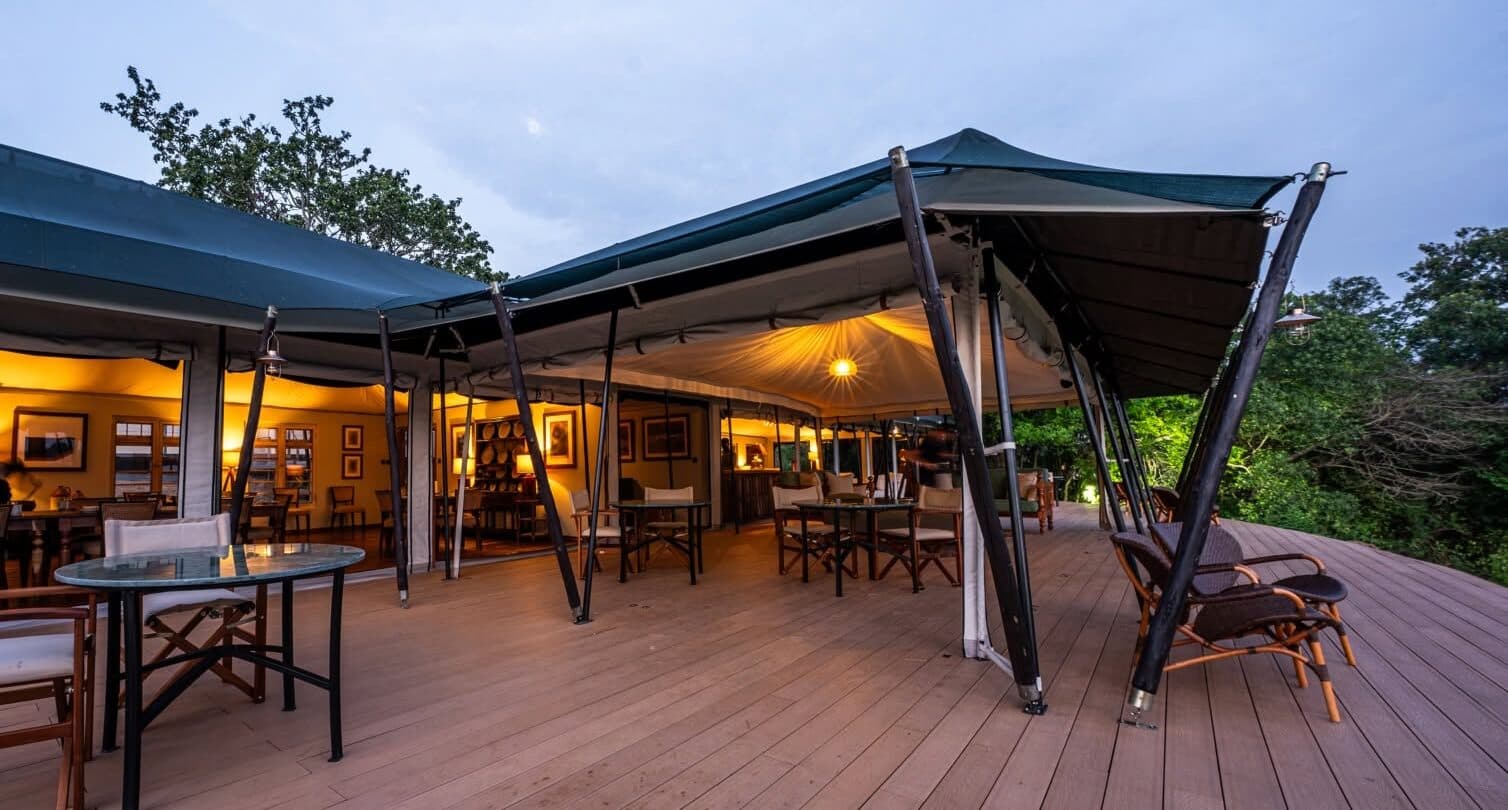
Kula Ora on the Nile
Building a lodge here was not straightforward. When WildPlaces Africa first identified the site, there were no established roads or facilities. The team had to cut through dense vegetation and cross marshes and rivers to reach the stretch of the Nile where Kula Ora now stands – Kula Ora means “river” in two of the local languages.

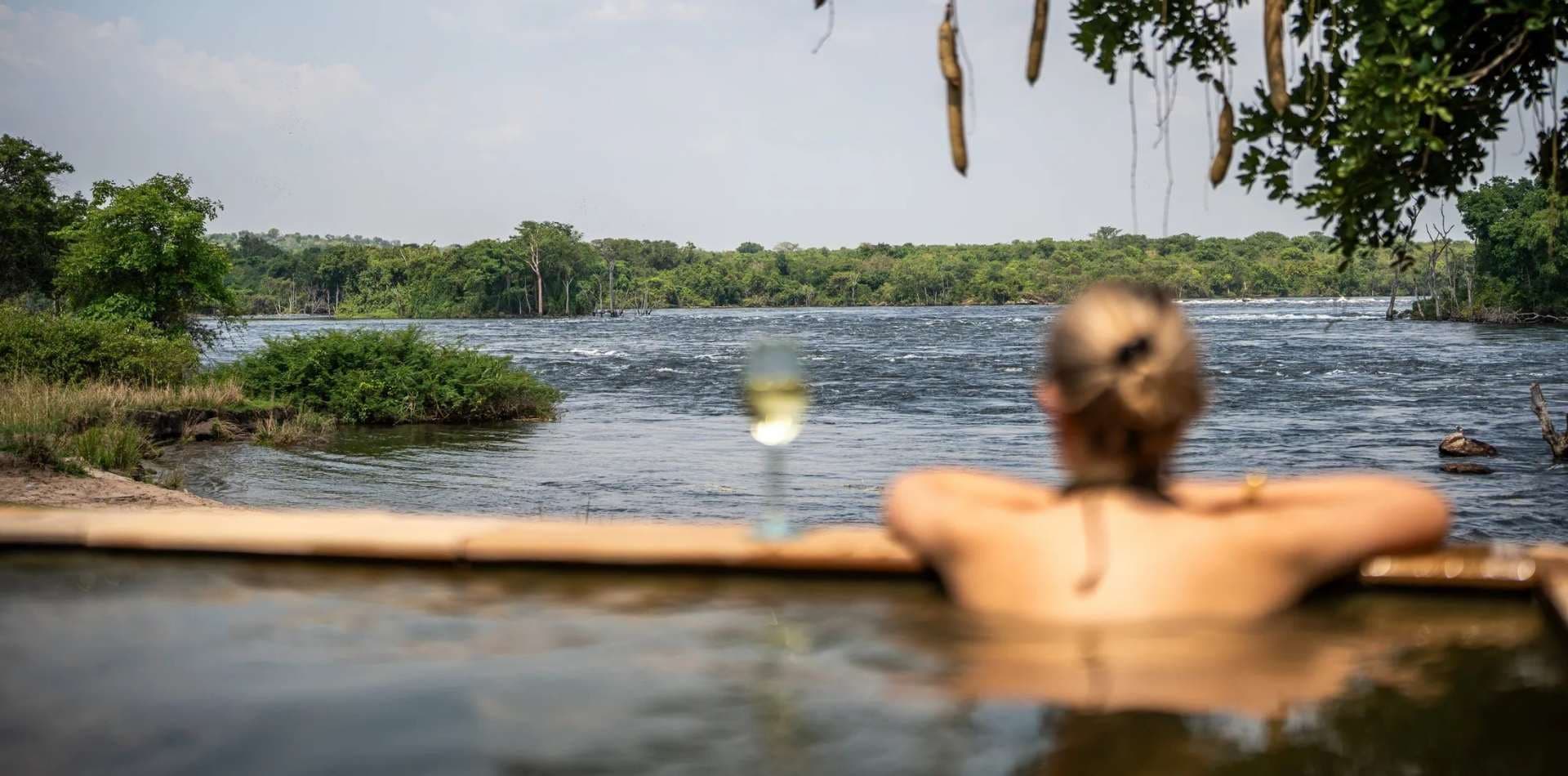
The finished lodge is deliberately small. Its ten tented suites face the river, with private plunge pools and freestanding baths. The main guest area includes a swimming pool, bar and library, with striking wildlife photography by Ugandan photographer Jonathan Benaiah, and artworks by self-taught Ugandan artist Daniel Atenyi are displayed around the lodge.

Local craftsmanship is an important part of the design, with much of the furniture being made on site, by Ugandan carpenters, while Head Chef Alex Tuhirirwe takes a similarly local approach to the food, combining Ugandan ingredients with contemporary techniques.

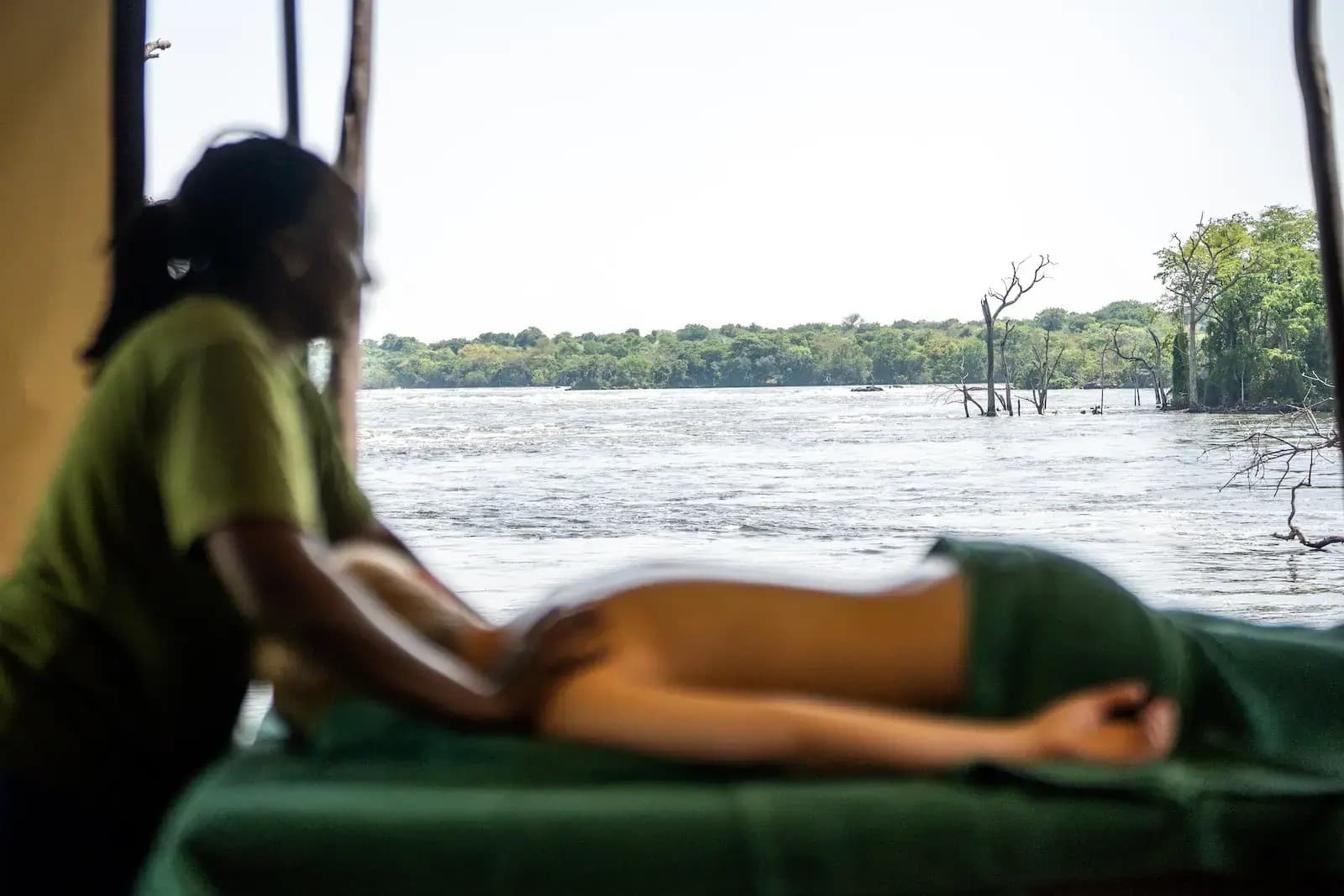
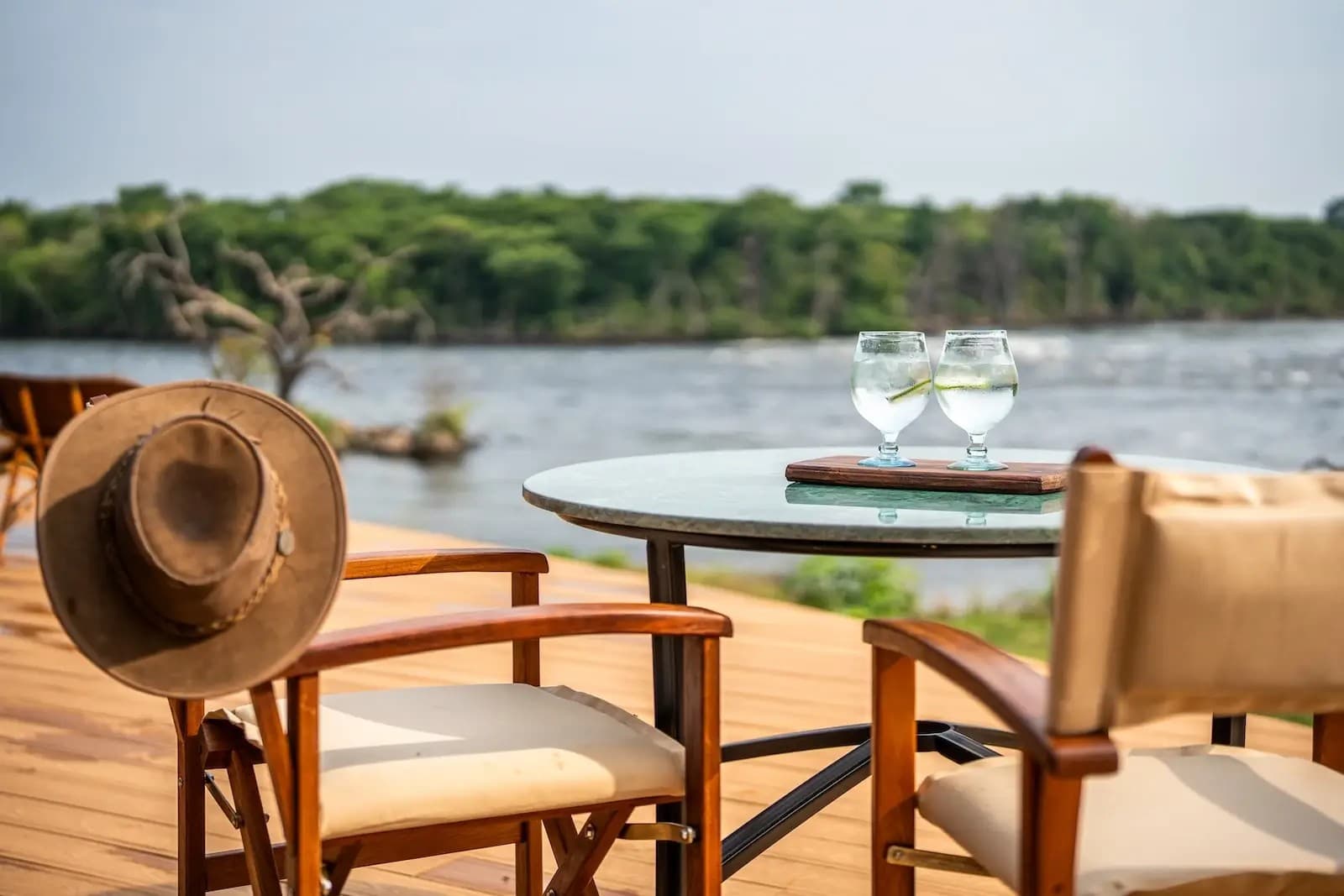
The rooms themselves are comfortable and private, but the main feature is their position. The Nile is directly in front of them, and its wildlife is part of everyday life at the lodge.
Why the Location Matters
The remoteness of Kula Ora is not simply a marketing decision. It is tied to WildPlaces conservation work in Murchison Falls National Park. Before tourism was established in this section of the park, ranger access was limited and poaching was putting pressure on wildlife and habitats.

WildPlaces has been working with the Uganda Wildlife Authority and local communities to strengthen protection through ranger patrols, equipment, fuel, anti-poaching training and wildlife monitoring. The WildPlaces Conservation Foundation helps fund this work. Guest stays at Kula Ora contribute towards ranger operations, anti-poaching initiatives and community projects, including schools and employment opportunities.
This connection between tourism and conservation is particularly relevant in such a remote area. A lodge cannot protect a national park by itself, but it can help provide the money, employment and infrastructure needed to support the people who do the work.
A Quieter Safari
For those who already know the parks of Kenya and Tanzania, Uganda’s Murchison Falls National Park offers a useful alternative. The wildlife is there, the safari is classic, and the Nile gives the park a strong sense of place, but the number of visitors is considerably smaller.

Kula Ora makes the most of that difference. The lodge’s appeal is not about having more facilities or a bigger camp, it’s about being able to drive through a large section of national park without following a line of safari vehicles, and then return to a small lodge beside the Nile.

Our evening lion sighting sums up the park. We weren’t looking for a dramatic finale to the day. We simply happened upon the pride, stopped the vehicle and watched until the light began to fade. In a park as large as Murchison, there is still room for that kind of encounter. And that, ultimately, is what Kula Ora is trying to preserve: not just a place for visitors to see wildlife, but enough space for the wildlife to continue living without us.
Sarah Kingdom
Sarah Kingdom was born and brought up in Sydney, Australia. Coming to Africa, aged 21, she fell in love with the continent and stayed. Now a travel writer, mountain guide, yoga teacher and mother, when she’s not out on an adventure, she and her husband are based on their cattle ranch in Zambia. Sarah guides on Kilimanjaro several times a year and has lost count of how many times she has stood on the roof of Africa. She has climbed and guided throughout the Himalayas and now spends most of her time visiting remote places in Africa.